
Can you get allergies in winter?
When we hear about allergies, we think about spring and summer time, when high pollen levels trigger widespread hayfever. However, allergy symptoms don't just disappear once pollen counts fall. In the UK, allergic rhinitis affects around 26% of adults in the UK and, for many people, symptoms continue throughout the winter months. But why do we still get allergy symptoms in winter?
Winter allergies can be caused by allergens such as pet dander, mould and dead skin cells. As the weather gets colder, we tend to spend more time indoors with family and pets, keeping windows closed to keep in the heat. This reduces fresh air circulation and allows dust to build up, which can worsen allergy symptoms. Increased time indoors also raises exposure to dust mites, which live in soft furnishings such as bedding and can trigger allergic reactions.
How to treat winter allergies
Understanding the causes of winter allergies is important when choosing the right treatment. Unlike seasonal hayfever, winter allergy symptoms often persist indoors and may require different management options, such as antihistamines, nasal sprays or targeted allergy relief products designed for year-round use. Here are our recommendations to manage winter allergy symptoms:
Teva Cetirizine Dihydrochloride 10mg Hay Fever Allergy Relief 30 Tablets

Numark Loratadine 10mg Allergy & Hay Fever 60 Tablets

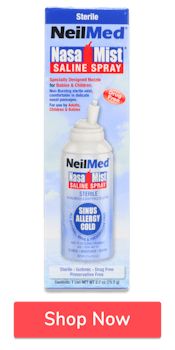
NeilMed Nasal Mist Saline Spray 75ml
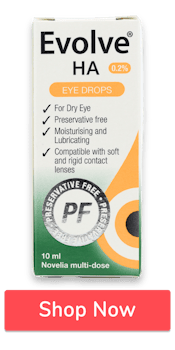
Evolve HA 0.2% Eye Drops 10ml
What can you do to prevent winter allergies
There are also other things you can do to prevent dust and dander build up:
- Wash bedding regularly: Wash your bedding every week at 60 degrees centigrade or above to kill mites
- Dust and vacuum: Cleaning regularly will remove the allergens from your home.
- Open the windows: Opening your windows introduces fresh air into your home and releases humid indoor air which prevents mould from building up.
- Shower before bed: Removing the dead skin and dirt from the day will prevent build up in the home.
- Use a dehumidifier: Dehumidifiers are highly effective at reducing dust mite populations