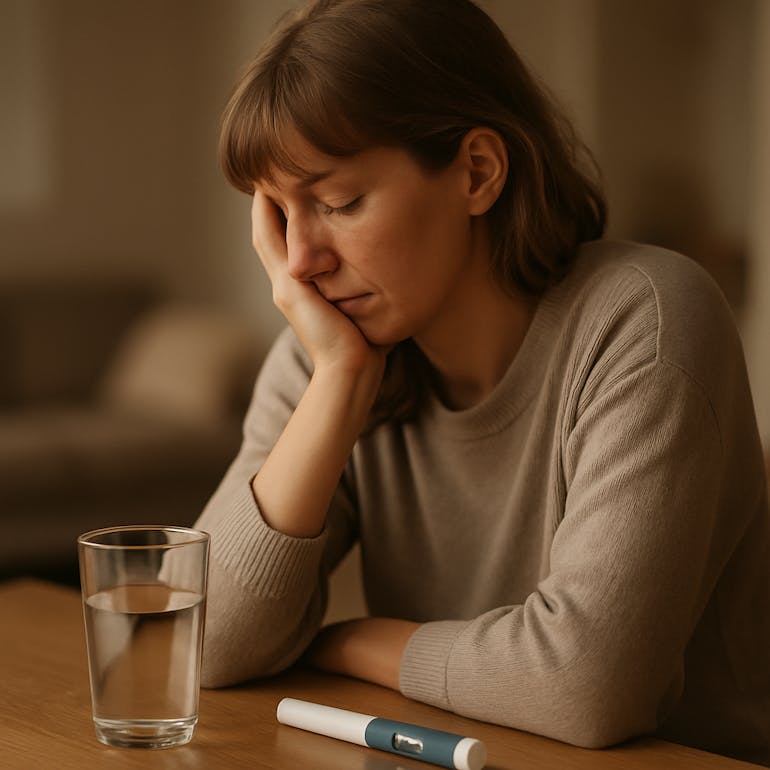
Depression on Wegovy: What Real Users Report
Many people begin Wegovy (semaglutide) expecting appetite changes, steady weight loss, and perhaps some nausea or fatigue. What they rarely anticipate is a shift in their emotional landscape. Yet across user experiences, one of the most prominent and sometimes distressing themes is a change in mood. Some describe an almost blunted sense of pleasure, others talk about deepening sadness, and a few report feeling unexpectedly numb or disconnected from life.
For some, these feelings appear early, within the first few doses. For others, they develop slowly as the dose increases. A number of people entering treatment with stable mental health report sudden drops in motivation or joy, while others with known depression or anxiety find symptoms amplified. At the same time, many individuals report improved mental health - particularly those who had relied on food or alcohol as coping mechanisms and suddenly find themselves able to break old patterns.
This range of experiences creates understandable confusion. Is it the medication? Is it reduced dopamine from fewer "comfort behaviours"? Is it the rapid change in appetite? Or something else entirely? What follows is a careful exploration of how users describe depression-like symptoms on Wegovy, how these patterns tend to arise, and what people have done in response.
When Mood Changes Begin
For many users, mood changes appear early - sometimes within the first few injections. Several describe a noticeable emotional flattening, while others sense a sudden drop in motivation or pleasure in daily life.
"It’s as though my ability to feel pleasure has been dulled." -CartoonistStriking62
Some people link this shift to the loss of old coping mechanisms. As appetite reduces, the comfort previously found in food, alcohol, or "dopamine hits" disappears, leaving emotions more exposed.
"I was no longer engaging in my pacifier type behaviour of overeating so I was left to deal with everything head on and it was depressing for a while." -missdovahkiin1
For others, the connection feels more biological than behavioural. They describe a very specific kind of emotional blunting - a muted response to things that once brought them joy.
"It does block dopamine and comes with mood changes in some people." -Majestic_Leopard4279
In many cases, these feelings either stabilise or fade over time. But for a notable minority, they build in intensity and become harder to manage.
What Depression Feels Like on Wegovy
Users who experience depressive symptoms often describe a cluster of sensations: emotional numbness, loss of motivation, a sense of indifference, and profound anhedonia. For some, even activities they once loved begin to feel flat or burdensome.
"I feel numb to everything. I am finishing my last dose then stopping because I don't feel like my old self." -JsquaredCA
Others reflect on the inability to find joy in family time, hobbies, or even major life experiences:
"I feel like I can’t really feel joy in much of anything… even things I used to love, like travel, aren’t striking much joy." -No-Resolve2970
A smaller group share experiences of more severe emotional downturns:
"I’ve started to get extremely depressed… I can barely work and I’m completely unmotivated… I had an episode this past week with suicidal ideation." -FewStatistician578
Some people notice a link to their dose, reporting sharper symptoms when increasing levels:
"Two days after my second shot… I woke up lethargic and with a depression I have never felt before." -Majestic_Leopard4279
In a few cases, users say they only realised the connection after temporarily stopping:
"I had a 2 week hiatus and felt 100x better… When I returned to the shots, I felt horrible all over again." -Certain-Ease-8785
Despite this, many others report the opposite experience - improved mental clarity, less anxiety, and a calmer relationship with food. The variability is striking.
Patterns, Triggers, and Possible Explanations
Across user stories, several recurring themes emerge. Some people experience depressive symptoms as their usual "dopamine habits" (overeating, drinking, snacking, comfort foods) lose their appeal. The sudden removal of these behaviours can feel emotionally destabilising.
"You were probably self medicating your depression with alcohol and now you're just raw dogging depression that's always been there." -BrendaFrom_HR
Others describe what feels like a direct medication effect - particularly when symptoms arise sharply after each weekly dose.
"It was like having distorted lenses and seeing things darker… I have no doubt that it is a side effect." -Majestic_Leopard4279
Some find that lack of nutrition, very low calorie intake, or difficulty eating plays a role:
"You are likely eating far fewer calories… calorie deprivation can result in increased depressive symptoms." -anonymous
A number of people also note that lower licensed doses helped reduce emotional intensity.
In contrast, some users report dramatic mental health improvements - greater clarity, fewer cravings, or a sense of balance returning after years of emotional eating. This contrast underscores how individual the response can be.
When People Decide to Stop or Switch
For a portion of users, the mood changes become significant enough that they choose to stop or change medications:
"I stopped taking it because of that." -abbie_888
Others switched to different GLP-1 medications with better results:
"My doctor switched me over to Tirzepatide… my mood is definitely starting to pick back up!" -dokl_
"Mounjaro is what caused anhedonia. Once I switched to Wegovy it went away." -anonymous
Some simply prefer feeling emotionally well, even if it means accepting slower or less dramatic weight loss:
"I'd rather have some extra weight than feel nothing." -JsquaredCA
At the same time, many people with initial depressive symptoms find they ease with time, dose adjustments, or targeted lifestyle changes like exercise or structured routines.
Pharmacist’s Comment
According to Sorin Romaniuc, Pharmacist at Medino, changes in mood on GLP-1 medications can stem from several interacting factors, and individual responses vary widely.
"GLP-1 medicines can influence appetite, digestion, and reward pathways, and these changes sometimes affect how people feel day to day." -Sorin Romaniuc, Pharmacist at Medino
"A short-term dip in mood can occur during dose increases, especially if someone is eating very little or feeling fatigued."
"Anyone experiencing persistent sadness, disinterest, or concerning thoughts should speak to a clinician promptly - dose adjustments or alternative treatments can make a significant difference."
Final Thoughts
Wegovy can be transformative, but user reports make it clear that emotional changes - both positive and negative - are part of the picture for many. Some people experience newfound clarity, reduced anxiety, or a healthier relationship with food. Others describe a loss of pleasure, emotional flatness, or depressive symptoms that feel markedly different from their usual baseline.
Most importantly, these experiences are highly individual. Mood changes do not affect everyone, and for many they are temporary or manageable. But if someone notices a significant decline in motivation, enjoyment, or emotional stability, it’s completely appropriate to pause, reflect, and talk to a healthcare professional.
Some users find relief by lowering the dose, or switching medications entirely. Others notice things improve as their body adjusts. What matters most is recognising the changes early and seeking support if they feel overwhelming.
No one should feel they must endure serious mood changes for the sake of weight loss. Your wellbeing - physical and emotional - remains the priority throughout the journey.
