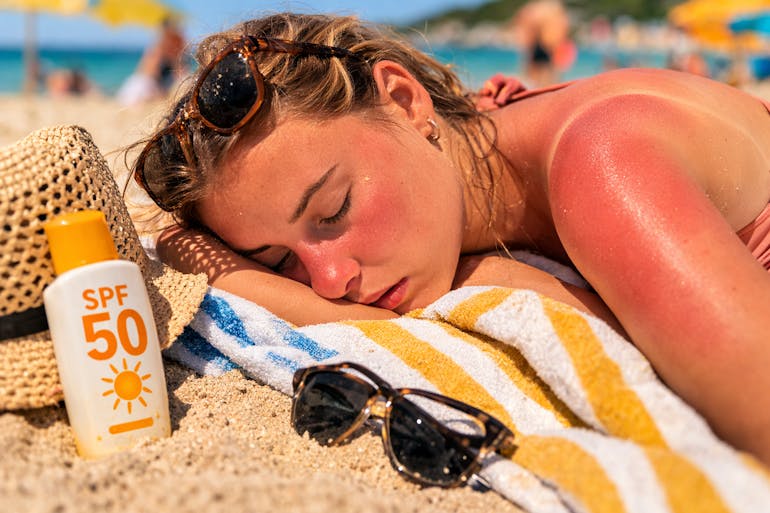
"I Fell Asleep in the Sun": The Holiday Sunburn Stories Everyone Regret
For many people, sunburn doesn’t happen because they ignored sunscreen completely. It happens during moments when vigilance slips - when the day feels relaxed, the weather seems mild, or the sun simply feels pleasant rather than dangerous.
One of the most common scenarios shared in online forums is surprisingly simple: falling asleep in the sun.
A person lies down on a beach towel or sun lounger, perhaps after swimming or reading for a while. The warmth feels comfortable. A breeze drifts across the skin. Eyes close for a moment - and when they open again an hour later, the damage is already done.
Across communities like Reddit and travel forums, thousands of people share stories of sunburn that began exactly this way. Some laugh about it in hindsight. Others describe it as one of the most painful mistakes they’ve made on holiday.
While these stories aren’t scientific studies, they reveal something important: sunburn often happens when people least expect it.
In this article, we look at real experiences people have shared online about holiday sunburn - from drifting off on the beach to discovering just how painful a severe burn can be. Their stories highlight how easily sunburn can happen, and the lessons many people say they learned the hard way.
"I Only Closed My Eyes for a Minute": Falling Asleep in the Sun
Among all sunburn stories, one situation appears again and again: falling asleep outdoors.
People describe lying down for what they thought would be a few minutes - only to wake up far later than planned.
"Basically transparent, blonde hair and blue eyes… and I still decided to spend the day swimming in my local river and falling asleep in 30 degree heat." -u/Willswoo
What begins as a relaxing moment can quickly turn into a painful lesson.
On holiday especially, routines change. People spend longer outside, swim frequently, and relax more than usual. Sun loungers, beach chairs, and warm weather can make drifting off surprisingly easy.
"I fell asleep on the first day we arrived without suncream and woke up completely burned." -u/torihe
Many people say they underestimated how quickly sunburn can develop - especially during peak midday sun.
When someone is asleep, they also don’t notice warning signs that normally signal it’s time to move into the shade. Skin may begin to feel hot, tight, or uncomfortable long before visible redness appears. But if a person is sleeping, those signals are missed entirely.
The result can be severe sunburn that develops before the person even realises what’s happening.
For some people, the moment of waking up becomes unforgettable.
They describe opening their eyes, feeling their skin burning, and suddenly realising how long they must have been lying in direct sunlight.
The Cloudy Day Trap: Burns That Nobody Expected
Another situation frequently mentioned in online discussions is getting sunburned on cloudy or mild days.
Many people associate sunburn with obvious heat and bright sunshine. When the sky is overcast or the air feels cool, the perceived risk feels lower.
But ultraviolet radiation behaves differently from visible sunlight.
"An hour outside in Wales on an overcast day and my shoulders were lobster red." -u/booksandmints
Cloud cover can reduce visible brightness, but a large proportion of UV radiation can still reach the skin. As a result, people sometimes spend far longer outside than they would on a hot, sunny day.
"I’ve been burned badly even when the sky was cloudy and I thought I was safe." -u/More_Pothos
This phenomenon catches many people by surprise.
During sightseeing trips, hiking excursions, or outdoor cafés, individuals may sit outdoors for hours without thinking about sun protection.
By the time redness begins to appear later in the evening, the exposure has already occurred.
Several people say their worst sunburns happened on days when they didn’t feel hot at all.
This disconnect between temperature and UV exposure can make sunburn feel especially unexpected.
Holiday Sun Is Stronger Than People Expect
Travelling to a different country can also increase the risk of sunburn - particularly for people who live in northern climates.
Sunlight intensity varies depending on latitude. Regions closer to the equator experience stronger ultraviolet radiation, and many popular holiday destinations fall into this category.
For travellers accustomed to milder sunlight, the difference can be dramatic.
"The sun doesn’t seem strong where I live, but in North Carolina I would get burned in no time without sunscreen." -u/V65Pilot
Holiday routines can also increase sun exposure. Instead of spending brief periods outdoors between indoor activities, travellers often spend entire days outside.
Beach trips, sightseeing walks, pool time, and outdoor meals can add up to many hours of direct sunlight.
"First day in Gran Canaria and I ended up with shoulders so badly burned they blistered." -u/Skoodledoo
Another factor is the holiday mindset.
People are often more relaxed and less focused on routine habits such as reapplying sunscreen or seeking shade. Alcohol, fatigue from travel, and excitement about being outdoors can all contribute.
Many travellers say their worst burns happened on the first day of the trip, before they had adjusted to the stronger sunlight.
Once that burn occurs, the rest of the holiday can become far less enjoyable.
The Painful Aftermath: When Sunburn Ruins the Trip
Sunburn can feel uncomfortable at first, but severe burns can become genuinely painful.
People who share their experiences online often describe the same progression. At first the skin feels warm and tight. Then redness appears, followed by increasing sensitivity.
Within hours, even light contact with clothing or bed sheets can become uncomfortable.
"My back, neck and shoulders look like they’ve spent an hour on a BBQ. Too sore to have clothes or bed sheets against." -u/Willswoo
Sleeping can become difficult, especially when burns affect the back or shoulders.
"I spent days sleeping face down because anything touching my back hurt." -u/Jazz-like-Raccoon
As the skin begins to heal, peeling and itching often follow.
For people on holiday, this stage can feel especially frustrating. Instead of swimming or exploring, they may need to stay indoors while the skin recovers.
Some travellers describe missing entire days of planned activities.
Others say the experience changed how they approached sun exposure permanently.
In particularly severe cases, blistering can occur. This type of sunburn can take significantly longer to heal and may require medical attention.
Even mild burns, however, can leave people uncomfortable for several days.
"Never Again": The Burns That Changed People’s Habits
For many people, one severe sunburn becomes a turning point.
After experiencing the pain and inconvenience of a bad burn, they often become far more cautious about sun exposure.
"That was the one and only time I ever sat outside without shade. Never again." -u/booksandmints
Some say they began carrying sunscreen everywhere they go.
Others adopted new habits such as wearing wide-brimmed hats, seeking shade regularly, or avoiding the sun during midday hours.
"Now I never go in the sun without sun cream." -u/unicorn-ice-cream
These stories highlight an important pattern: experience often changes behaviour more effectively than advice.
Many people say they heard warnings about sunburn for years but only took them seriously after experiencing a painful burn themselves.
Once that memory exists, sun protection becomes much easier to prioritise.
What People Say Helps After a Bad Sunburn
Although prevention is the best strategy, online discussions also contain many suggestions for coping with sunburn once it has already happened.
People frequently recommend focusing on cooling the skin and allowing it time to heal.
Cooling the skin
Reducing heat in the affected area can help relieve discomfort in the early stages.
"A cold wet towel laid gently on the skin was the only thing that helped at first." -u/booksandmints
Cool showers or compresses are commonly mentioned.
Using soothing products
Many people use moisturisers or after-sun products designed to hydrate and calm irritated skin.
"Aloe vera gel cools the skin immediately and really helps with the pain." -u/rbsudden
Products containing aloe vera are particularly popular in user discussions.
Staying hydrated and resting
Sunburn can also contribute to dehydration, especially after long days outdoors.
"Drink plenty of water, use aftersun and give your skin time to recover." -u/SteveC91OF
Many people say the most important step is simply giving the body time to heal.
Avoiding further sun exposure
Protecting burned skin from additional UV exposure is crucial during recovery.
"Take a day completely out of the sun to recover." -u/asjonesy99
Returning to direct sunlight before the skin heals can worsen the damage.
For this reason, many people spend at least one day indoors after a significant burn.
When Sunburn Becomes More Serious
Most sunburns are mild and improve within a few days, but more severe burns can cause significant discomfort.
Blistering, swelling, chills, and intense pain can occur when skin receives a high dose of UV radiation.
Some people who share their experiences online describe burns severe enough to disrupt their entire holiday.
"My shoulders were covered in blisters and it ruined the whole holiday." -u/Skoodledoo
Blistering sunburns may require medical attention, particularly if large areas of the body are affected.
We asked Alessandro Grenci, Superintendent Pharmacist at Medino, for his perspective.
"Sunburn can happen surprisingly quickly, particularly during holidays when people spend longer in direct sunlight than usual. Even mild sunburn can be uncomfortable, but blistering or repeated burns should always be taken seriously."
"Using sunscreen correctly, reapplying it regularly, and combining it with shade or protective clothing can significantly reduce the risk of severe burns. If someone experiences frequent or severe sunburn, it’s worth speaking with a healthcare professional about safer sun protection strategies."
Recognising the early signs of sunburn - and responding quickly - can help prevent more serious complications.
Conclusion: The Sunburn Lesson Many People Learn Once
Across countless online stories, the same pattern appears again and again.
Someone relaxes in the sun for longer than expected. Perhaps they fall asleep on the beach, underestimate cloudy weather, or forget how strong the sun is in a new destination.
Hours later, they discover the consequences.
While these stories often contain humour in hindsight, they also highlight how easily sunburn can occur when attention drifts.
For many people, one painful burn is enough to change their habits permanently.
They begin carrying sunscreen regularly, seeking shade more often, and paying closer attention to how long they spend in direct sunlight.
The experiences shared online offer a simple but important reminder: sunburn doesn’t always happen because people ignore advice.
Sometimes it happens during a quiet moment of relaxation.
And sometimes, all it takes is closing your eyes for a minute.
