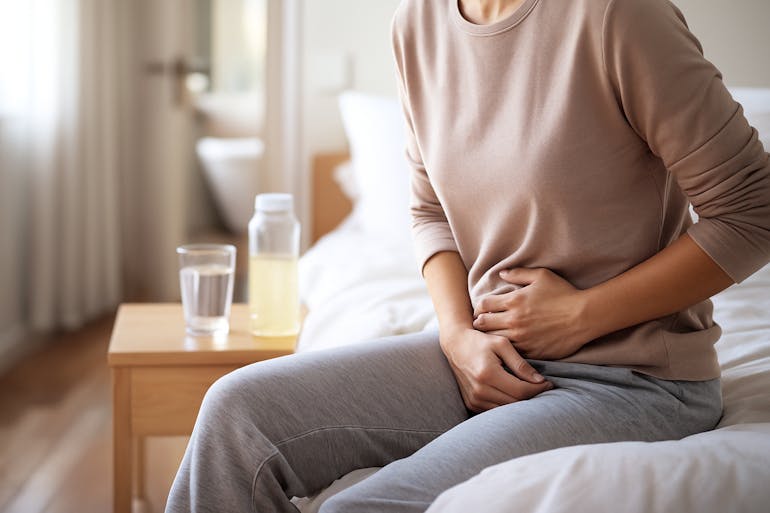
Mounjaro and Urinary Changes: What Users Report
Many people starting Mounjaro expect appetite suppression, nausea, or changes in digestion. What often comes as a surprise is how noticeably their urinary habits shift. For some, it shows up as frequent urination, sometimes every 20–30 minutes. Others describe a constant bladder pressure that feels almost identical to a urinary tract infection despite repeated negative tests. And more rarely, a few report the opposite: a much reduced urge to urinate, even when drinking normally.
These changes can be unsettling. They may start soon after a dose increase, appear inconsistently throughout the week, or flare at night and disturb sleep. Because urinary symptoms aren't widely discussed in official side-effect lists, many people worry something is seriously wrong.
What emerges from user experiences is a pattern: urinary changes are common, sometimes dose-dependent, often linked to hydration patterns, and usually settle with time or small routine adjustments.
The Different Ways Urinary Symptoms Appear
People describe a wide variety of urinary changes on Mounjaro, but several patterns repeat. One of the most common is a sudden urgency or pressure that feels very similar to a UTI, even when tests are clear.
"It feels like constant pressure in my bladder, like I need to pee again the second I’ve just finished peeing. It feels exactly like a UTI minus the burning." -emmalr777
Others describe the sensation as something physically pressing on the bladder, with symptoms intensifying after dose increases.
"I have this exact thing. It’s like something is pushing on your bladder?! Mine is worse later in the day… it got worse as I went up the doses." -Tb6853
For some, the sensation comes in waves-manageable at times but unbearable at others.
"Some days I’ll be fine but other days I’ll notice that pressure in my bladder mostly at night… it doesn’t burn or anything, just a fullness." -Big_Ticket630
These examples reflect a broader theme: the feeling is often not about quantity of urine but about discomfort, pressure, or heightened sensitivity.
Why Frequent Urination Happens for Many People
A large group of users notice they pee far more frequently in the first days after an injection. Some link this to increased thirst, while others feel the stronger urgency happens even without drinking more.
"I get very thirsty and have to pee all the time. This lasts maybe 36 hours after my shot." -timarland
In some cases, nocturnal urination is the most disruptive part:
"I’ve been waking up to pee 2–3 times a night since I started. This is not normal for me." -Crafty_Inflation7959
Others find that hydration plays a major role, particularly when overall food intake drops. Lower intake naturally leads to fewer electrolytes, and some users report improvement after correcting this:
"I struggle with water intake, so I’m going to take the advice to add electrolytes and hope it relieves the symptoms." -lynds5792
The experiences vary widely, but across accounts, increased urination seems especially common during active weight loss phases or when adjusting to a new dose.
When Urinary Frequency Isn’t the Issue-Less Urination on Mounjaro
A smaller subset of users reports the opposite problem: going unusually long stretches without needing the bathroom, even with normal or increased fluid intake.
"I started noticing very quickly that I was peeing much less frequently… once every 6 to 8 hours. I haven’t done this in 30+ years!" -zizzymoo
Others notice the sensation of needing to go feels muted, even when the bladder is full:
"I would go most of the day without going… and when I did, I actually did enough that I should have felt like I was bursting." -PomPomBumblebee
For many, the explanation appears to be dehydration-something surprisingly common on GLP-1 medications, especially early on when appetite and natural thirst levels drop.
"That’s dehydration. You need to drink more water." -milehighphillygirl
Reduced urination can therefore be a sign that fluid intake has dropped without the person fully recognising it.
Irritation, Flares and When Symptoms Feel Like Something Else
A number of people find their symptoms mimic cystitis or bladder inflammation, even though no infection is present. For some, symptoms flare after injections and settle as the week goes on.
"I’ve been dealing with what I believe is cystitis… tested negative for a UTI but it didn’t clear. It gets better as the day goes on but I feel it every morning." -Helraiseraa
Others describe long-lasting bladder sensitivity that began shortly after starting treatment:
"I have a pressure/pain in my bladder constantly… tested for a UTI which was clear. It’s been 8 months since I stopped taking Mounjaro and I’m still suffering." -AwareWolfXX
In a few cases, existing bladder conditions such as interstitial cystitis appear to flare around dose days.
"I flare the day after my injection almost weekly." -bumpintheclouds
These experiences highlight how individual bladder sensitivity can differ, and why some people feel more discomfort than others.
Pharmacist’s Comment
According to Sorin Romaniuc, Pharmacist at Medino, urinary changes are not uncommon when people start GLP-1 medications or increase their dose. These medicines can alter hydration patterns, slow stomach emptying, and reduce appetite, all of which influence fluid balance.
"Some people drink less without realising it once their appetite and thirst cues change, and this can lead to both bladder irritation and concentrated urine that feels uncomfortable." -Sorin Romaniuc, Pharmacist at Medino
"Frequent urination can also occur when the body is adjusting to dose changes or during active weight loss, and this often settles with time and steady hydration."
"If symptoms feel like a UTI but tests are repeatedly negative, or if there is persistent bladder pain, it’s important to discuss this with a clinician-especially if symptoms interfere with sleep or daily life."
Final Thoughts
Urinary changes on Mounjaro can be confusing, uncomfortable, and at times worrying. Many people experience urgency, night-time waking, or pressure on the bladder, while others notice the opposite: going less often than expected. In most cases, these changes relate to hydration shifts, dose adjustments, or the body’s response during periods of rapid weight loss.
For many, symptoms ease as their body adapts, especially when hydration and electrolyte intake are kept consistent.
"I really found that electrolytes helped me so much… mine got way worse as I increased doses so I’ve opted to stay on a lower dose." -emmalr777
While these experiences are common, any persistent pain, severe pressure, or ongoing discomfort should be discussed with a healthcare professional. With the right adjustments and support, most people find a routine that works for them while continuing their treatment safely and comfortably.
