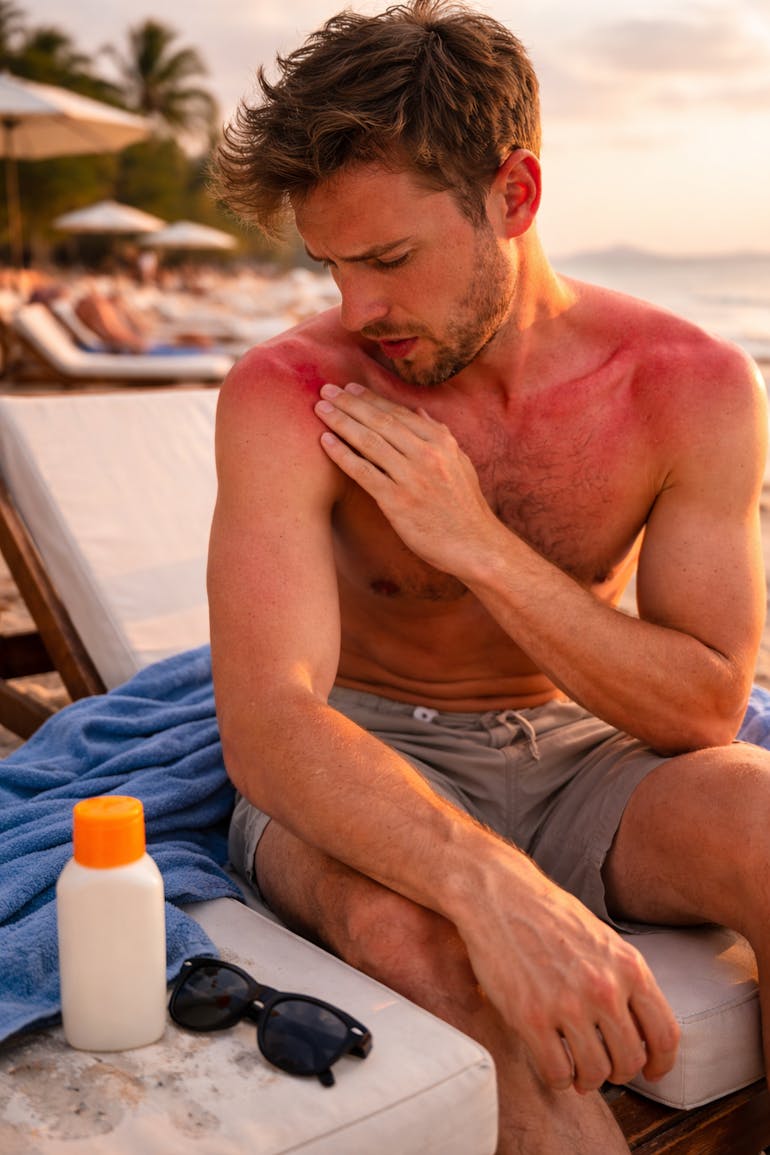
"Never Again": The Sunburn That Changed How People Use Sunscreen
Almost everyone who has spent time outdoors has experienced sunburn at least once. For many people, it’s a mild inconvenience - a bit of redness that fades after a few days.
But some sunburns are different.
Across online communities, people often describe one particular burn they will never forget. These experiences are usually more severe than expected and often happen during holidays, outdoor events, or long days in the sun.
The stories tend to follow a similar pattern. At first, the day feels normal - warm weather, time outdoors, maybe a beach or pool nearby. Hours pass without much thought about sunscreen or shade.
Then later that evening, the skin begins to sting. Redness appears. The discomfort intensifies overnight.
For many people, this moment becomes a turning point.
It’s the sunburn that made them realise how serious sun exposure can be - and the one that changed how they approach sun protection forever.
In this article, we explore real stories of severe sunburn experiences and the habits people say they adopted afterward to avoid repeating the same mistake.
The First Big Burn: When Sunburn Becomes Unavoidable
Many people say their worst sunburn happened during situations where they simply didn’t expect the risk.
Holiday destinations are one of the most common settings. Being somewhere new, surrounded by sunshine and outdoor activities, can make it easy to forget about sun protection.
"First day of holiday and I completely underestimated the sun." -u/holidaylesson
For others, the problem wasn’t ignoring sunscreen entirely - it was simply spending more time outside than expected.
"I stayed outside all afternoon and didn’t think much about sunscreen." -u/outsideallafternoon
These experiences often begin as relaxed, enjoyable days outdoors.
People might swim, walk along the beach, attend outdoor events, or simply relax in the sun. Because the day feels pleasant rather than intense, the potential for sunburn may not seem obvious.
But ultraviolet radiation can accumulate gradually.
By the time redness begins to appear, the skin may already have received several hours of exposure.
For many people, the first signs of trouble only become noticeable later in the evening.
When the Pain Sets In
One of the most surprising aspects of sunburn is how delayed the symptoms can be.
After returning indoors, the skin may feel warm or slightly tight, but the full effects of sunburn often develop several hours later.
"By that night my shoulders were burning so badly." -u/sunburnsurprise
As inflammation increases, the skin becomes red, swollen, and sensitive.
For some people, the pain intensifies overnight.
"The first night was awful. I couldn’t lie down without pain." -u/sleeplessinsun
Sunburned skin can feel extremely sensitive to touch. Clothing that normally feels comfortable may become irritating, and lying on a pillow or mattress can cause discomfort if the burn covers the back or shoulders.
The burning sensation itself is caused by the body’s inflammatory response to UV damage.
Blood vessels widen, fluid accumulates in the tissue, and the immune system begins repairing the injured skin cells.
This process is essential for healing - but it can also be very uncomfortable.
For many people experiencing their first severe sunburn, this stage is when they realise just how serious the damage is.
The Recovery That Took Longer Than Expected
Another surprise many people mention is how long sunburn recovery can take.
At first, it may seem like the redness will fade within a day or two. But for moderate or severe burns, the healing process often lasts much longer.
"My skin was bright red for days and then it started peeling everywhere." -u/peelingshoulders
Peeling occurs because the outer layer of damaged skin begins to shed.
This is part of the body’s natural repair process. As damaged cells are removed, new skin gradually replaces them.
However, peeling can be uncomfortable and sometimes itchy.
Some people say their burns lasted far longer than they expected.
"It took about ten days before my skin felt normal again." -u/burnedonce
During this time, daily activities can become difficult.
People may need to avoid the sun completely while their skin heals. Swimming, sports, or outdoor activities might have to be postponed.
For travellers, this can be especially frustrating when sunburn occurs during a holiday.
Several people say their worst burns disrupted entire trips.
These experiences often become the moment when people decide they never want to go through it again.
The Moment People Decide: "Never Again"
Many sunburn stories include a moment when the person makes a clear decision.
After experiencing severe discomfort, peeling skin, or blistering burns, they decide the same situation will not happen again.
"That was the one and only time I ever sat outside without sunscreen." -u/booksandmints
For others, the promise is even more direct.
"After that burn I promised myself never again." -u/lifelongspf
These moments are often emotional as well as practical.
People realise that sunburn isn’t just a temporary inconvenience. It can involve real physical pain and several days of recovery.
Once someone has experienced this level of discomfort, they often become much more aware of sun protection.
This shift in perspective can lead to lasting changes in behaviour.
How Sunburn Changed People’s Sun Protection Habits
After experiencing a severe burn, many people say they became far more careful about protecting their skin.
One of the most common changes is simply carrying sunscreen more often.
"Now I carry sunscreen with me everywhere." -u/preparednow
Instead of leaving sunscreen at home or applying it only at the beach, people start keeping it in bags, backpacks, or cars.
Others say they began applying sunscreen more consistently.
"I apply sunscreen every morning now, even if I’m not going to the beach." -u/cloudlessons
Daily sunscreen use has become a routine for many people, especially during summer months.
Some also change how they plan outdoor activities.
They may avoid spending long periods in direct sunlight or seek shaded areas more frequently.
For people who previously burned easily, these habits can dramatically reduce the risk of future sunburn.
The New Routine: Sun Protection as a Habit
Over time, sun protection becomes less of a reaction and more of a routine.
Many people who experienced severe sunburn say they developed new habits that help them avoid repeating the same mistake.
Some say they began checking daily UV levels before planning outdoor activities.
"I check the UV index before planning outdoor activities." -u/smartweather
The UV index provides information about how strong ultraviolet radiation is expected to be on a given day.
Others change how they dress during sunny weather.
"A wide-brim hat is now part of my summer wardrobe." -u/outdooraware
Hats, sunglasses, and lightweight clothing can provide additional protection alongside sunscreen.
For many people, these adjustments become second nature.
What once required conscious effort eventually becomes a normal part of daily life.
Why Severe Sunburn Should Be Taken Seriously
While sunburn may seem temporary, severe burns can involve significant skin damage.
Some people describe burns that went beyond redness and peeling.
"I had blisters across my shoulders after that burn." -u/Skoodledoo
Blistering sunburn occurs when deeper layers of skin are damaged by ultraviolet radiation.
These burns may take longer to heal and can be more painful.
We asked Alessandro Grenci, Superintendent Pharmacist at Medino, for his perspective.
"Severe sunburn can cause significant inflammation and damage to the skin. Even though the redness and discomfort usually improve over time, repeated sunburn can contribute to long-term skin damage."
"Using sunscreen consistently, avoiding prolonged exposure during peak sunlight hours, and wearing protective clothing can all help reduce the risk of severe burns."
Understanding the risks associated with sunburn can help people make informed decisions about sun protection.
Conclusion: One Sunburn Can Change Everything
Many people remember the exact moment they experienced their worst sunburn.
It might have happened on a beach holiday, during a day outdoors with friends, or simply while enjoying warm weather without thinking about sunscreen.
At the time, the day may have felt completely normal.
But later that evening, when the redness appeared and the pain began, the experience became something they would never forget.
Across countless stories shared online, the same message appears again and again.
It only takes one severe sunburn to change how someone thinks about sun protection.
After that experience, people often become far more careful about sunscreen, shade, and time spent outdoors.
And while sunburn recovery eventually happens, many people say they would rather avoid repeating the experience altogether.
Because once you’ve experienced a truly painful sunburn, the lesson tends to last a lifetime.
