Newfoundland Vitamin D Self Test


Newfoundland Vitamin D Self Test
What 500,000+ customers say about medino:
Description
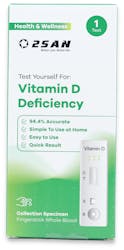
Newfoundland Vitamin D Self Test offers a quick way to check your vitamin D status from home using a simple finger-prick blood sample. This convenient rapid test detects 25-hydroxyvitamin D, the marker widely used to assess vitamin D status. Health-conscious adults, people with limited sun exposure, darker skin tones or those who cover their skin regularly can gain valuable insight into their vitamin D levels within minutes.
Key Features
- Rapid results in 10 minutes: Provides a clear vitamin D status read-out soon after taking your sample.
- Finger-prick at-home test: Uses a small capillary blood sample and can be completed discreetly at home.
- High accuracy with CE self-test approval: Clinically tested with reported accuracy above 98% and certified for home use.
How does the Newfoundland Vitamin D Self Test work?
This test analyses a small finger-prick blood sample to assess 25-hydroxyvitamin D, the standard marker for vitamin D status. The result is displayed on a rapid test cassette and compared against a colour card to indicate deficient, insufficient, sufficient or high levels.
How accurate is the Newfoundland Vitamin D Self Test?
The test has clinically tested performance with reported accuracy above 98%, and it carries CE self-test certification. This level of reliability can help when discussing vitamin D status with a healthcare professional.
What information does the test result provide?
The cassette and colour chart together indicate whether your vitamin D level is deficient, insufficient, sufficient or above the recommended range. This clear categorisation helps you understand your current status and consider whether lifestyle, diet or supplement changes might be appropriate after professional advice.
Why choose the Newfoundland Vitamin D Self Test instead of a laboratory blood test?
This home test offers fast, on-the-spot insight without waiting for appointments or laboratory reports, which can be especially convenient for busy schedules. Many people use it as an initial screening tool, then discuss any abnormal result with their doctor, who may recommend confirmatory blood tests or tailored treatment.