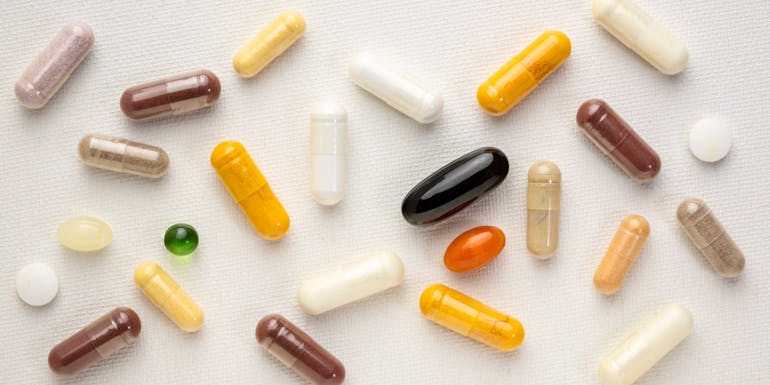
Berberine
Berberine is a naturally occurring plant compound found in several species, including barberry (Berberis vulgaris), Indian barberry (Berberis aristata), goldenseal and Oregon grape. It belongs to a group of compounds known as alkaloids and has a long history of use in traditional Chinese and Ayurvedic medicine.
More recently, berberine has attracted attention for its potential effects on blood sugar regulation, cholesterol and metabolism. It has also become increasingly popular as a weight-management supplement. However, while some research suggests berberine may have a modest effect on body weight and waist measurements, the evidence is not strong enough to guarantee weight loss or consider berberine a replacement for established weight-management treatments.
Key Facts
- Berberine is a naturally occurring alkaloid found in plants including barberry, goldenseal, Oregon grape and Berberis aristata.
- It has traditionally been used in Chinese and Ayurvedic medicine, particularly for digestive complaints and infections.
- Berberine is being studied for its effects on glucose metabolism, insulin sensitivity and blood lipids.
- Research suggests that berberine may produce small reductions in body weight, BMI and waist circumference in some people, but results between studies are inconsistent.
- A 2025 meta-analysis of 23 studies found an average reduction in body weight of around 0.9kg compared with control groups, suggesting that any weight-loss effect is likely to be modest.
- Berberine is not a substitute for a balanced diet, regular physical activity or prescribed weight-management treatments.
- Digestive side effects such as nausea, abdominal discomfort, constipation and diarrhoea can occur, and berberine can interact with medicines.
Medino Recommends

Applied Nutrition Berberine 60 Capsules
Applied Nutrition Berberine provides 1,000mg of berberine hydrochloride from Berberis aristata per two-capsule daily serving. It also contains AstraGin®, a combination of astragalus and Panax notoginseng extracts included by the manufacturer as part of the formulation.

The Good Guru High Strength Berberine 98% HCL 60 Capsules
The Good Guru combines 225mg of 98% berberine HCl per capsule with Ceylon cinnamon, milk thistle, turmeric, artichoke, fenugreek and black pepper.
This makes it an option for people looking for a multi-ingredient botanical formulation rather than a standalone high-dose berberine product. The capsules are plant-based and the recommended serving is one capsule daily with food.
FAQs
What does the research say about berberine and its effects on the body?
Much of the interest in berberine centres around metabolic health. Research suggests it can influence pathways involved in how the body handles glucose and fats, with studies reporting effects on blood glucose, insulin resistance and cholesterol in some populations.
Berberine is often associated with activation of an enzyme called AMP-activated protein kinase, or AMPK, which is involved in cellular energy regulation. However, much of the detailed evidence surrounding this mechanism comes from laboratory and animal research, so its importance to real-world weight loss in humans is still being investigated.
Clinical evidence is mixed. Reviews of randomised controlled trials have found small improvements in measures including body weight, BMI and waist circumference, but studies have varied considerably in their design, dosage, participant health and quality.
A 2025 systematic review and meta-analysis of 23 studies reported an average reduction in body weight of approximately 0.88kg, alongside small reductions in BMI and waist circumference. These findings suggest a possible effect, but not the dramatic weight loss sometimes associated with berberine online.
More recent evidence also highlights the uncertainty. In a 2026 randomised, double-blind trial involving 337 people with obesity and metabolic dysfunction-associated steatotic liver disease, taking 1g of berberine daily for six months did not significantly reduce visceral abdominal fat or liver fat compared with placebo.
Can berberine help with weight loss?
Berberine may have a modest role in weight management for some people, but the evidence is not conclusive.
A number of clinical trials and meta-analyses have reported small reductions in weight, BMI or waist circumference. The US National Center for Complementary and Integrative Health notes that reductions in weight in earlier studies were seen mainly when more than 1g per day was taken for longer than eight weeks. However, it also highlights substantial limitations in the research, including inconsistent results, differing supplement formulations and a high risk of bias in some studies.
Importantly, the size of the effect seen in research is generally small. Berberine should therefore be viewed, at most, as potential additional support alongside sustainable dietary changes, physical activity, sleep and other healthy habits rather than as a standalone weight-loss solution.
Individual responses can vary considerably, and taking berberine does not guarantee that you will lose weight.
How might berberine support weight management?
Researchers have proposed several ways in which berberine could potentially influence weight and metabolic health.
It may affect glucose metabolism and insulin sensitivity, helping the body manage blood glucose more efficiently in some people. It may also influence lipid metabolism and cellular energy pathways such as AMPK.
These metabolic effects could theoretically contribute to weight management, particularly in people with metabolic abnormalities, but they do not mean that berberine directly 'burns fat'.
There is also insufficient clinical evidence to say that berberine reliably suppresses appetite or causes people to consume fewer calories.
How is berberine traditionally used?
Plants naturally containing berberine have been used for centuries in traditional Chinese and Ayurvedic medicine. Historically, they have been used for digestive complaints, infections and other conditions rather than specifically as weight-loss remedies.
Modern berberine supplements generally contain concentrated berberine hydrochloride rather than the whole plant preparations traditionally used.
How to take berberine?
Berberine supplements are usually available as capsules, tablets or powders. The amount of berberine varies substantially between products, so the manufacturer's directions should always be followed.
Clinical studies have used a wide range of doses, commonly divided across the day. However, study doses should not automatically be interpreted as recommended or established safe doses for self-supplementation, and there is no universally established dose of berberine specifically for weight loss.
Do not exceed the recommended amount on the product label. If you take regular medication or have an existing medical condition, speak to a pharmacist, GP or other healthcare professional before using berberine.
Are there any known side effects or precautions when using berberine?
Berberine can cause side effects, particularly involving the digestive system. Reported effects include nausea, abdominal pain, bloating, constipation and diarrhoea.
Berberine may also interact with medicines because it can affect enzymes and transporters involved in drug metabolism. A documented interaction exists with ciclosporin, and particular care is advisable when taking medicines that affect blood sugar or have a narrow therapeutic range.
Berberine should not be used during pregnancy or breastfeeding, and it should not be given to infants. People taking prescription medicines or managing conditions such as diabetes should seek professional advice before starting a berberine supplement.
European safety authorities have also been reviewing the safety of concentrated berberine-containing supplements, highlighting uncertainties around safe intake and potential medicine interactions.
How long does it take to see potential effects from berberine?
Clinical studies examining weight and metabolic outcomes have generally lasted for several weeks or months rather than days.
An earlier review highlighted by the NCCIH found that weight-related effects appeared mainly in studies lasting longer than eight weeks. However, this does not mean that everyone will experience weight loss after eight weeks, and a large six-month clinical trial published in 2026 did not demonstrate a significant effect on visceral fat.
Berberine should therefore not be approached with an expectation of losing a particular amount of weight within a specific timeframe.
What to look for when purchasing berberine supplements?
When choosing a berberine supplement, look for products that clearly state the amount of berberine provided per capsule or daily serving rather than relying on vague proprietary blends.
Berberine hydrochloride, usually labelled as berberine HCl, is one of the most commonly used forms in supplements and clinical research. Products may also state the purity or standardisation of the berberine extract.
Other useful considerations include clear dosage instructions, manufacturing and quality-control information, additional ingredients, allergen information and whether the capsules are suitable for vegetarians or vegans.
Is berberine the same as Ozempic?
No. Berberine is sometimes described online as 'nature's Ozempic', but this comparison is misleading.
Ozempic contains semaglutide, a prescription medicine that acts on the GLP-1 receptor and has been investigated in large clinical trials. Berberine is a plant-derived supplement with different mechanisms and a much less established effect on body weight.
There is currently no good evidence showing that berberine produces weight loss comparable with prescription GLP-1 medicines.
Does berberine burn belly fat?
There is not enough evidence to say that berberine specifically burns abdominal fat.
Some studies have reported small reductions in waist circumference, but a large 2026 randomised controlled trial found that six months of berberine did not significantly reduce visceral abdominal fat compared with placebo.
Does berberine reduce appetite?
There is currently insufficient clinical evidence to establish berberine as an effective appetite suppressant.
Its potential weight-management effects are more commonly investigated in relation to glucose, insulin and lipid metabolism rather than a direct appetite-suppressing effect.
Can I take berberine alongside weight-loss medication?
If you use prescription weight-management medication, speak to your prescriber or pharmacist before adding berberine.
Berberine can affect blood glucose and can interact with medicines. Combining supplements with prescription treatments without professional advice may increase the chance of unwanted effects or make it harder to identify which treatment is causing them.
Sources
- National Center for Complementary and Integrative Health
- NCCIH: Diabetes and Dietary Supplements
- PubMed: 2025 systematic review and meta-analysis
- PubMed: 2020 systematic review
- ANSES: Berberine safety opinion
- UK food supplements safety guidance