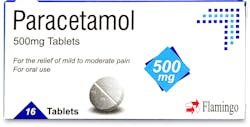
Combogesic 500mg 16 tablets


Combogesic 500mg 16 tablets
All pack sizes
What 500,000+ customers say about medino:
Description
Combogesic 500mg/150mg film-coated tablets contain paracetamol and ibuprofen in a fixed-dose combination for the temporary relief of mild to moderate pain. Combogesic is used for headaches, migraine, backache, period pain, dental pain, muscular pain, sore throat, cold and flu symptoms, and fever when pain relief from paracetamol or ibuprofen alone has not been sufficient.
Each tablet contains 500mg of paracetamol and 150mg of ibuprofen, combining analgesic, anti-inflammatory, and fever-reducing effects in a single tablet. The convenient dosing schedule allows adults to take one or two tablets every six hours as needed, with a maximum of six tablets in 24 hours.
Combogesic is suitable for short-term use in adults aged 18 years and over who require temporary pain relief. The medicine should be used at the lowest effective dose for the shortest duration necessary to control symptoms.
Ingredients
Main ingredients: Paracetamol 500mg and ibuprofen 150mg per film-coated tablet
Excipients: Lactose monohydrate, microcrystalline cellulose, pregelatinised maize starch, croscarmellose sodium, colloidal anhydrous silica, magnesium stearate, Opadry white film coating
Usage and Instructions
Combogesic 500mg/150mg film-coated tablets are used for the temporary relief of mild to moderate pain associated with headache, migraine, backache, period pain, dental pain, muscular pain, sore throat, cold and flu symptoms, and fever where paracetamol or ibuprofen alone has not provided sufficient relief.
Adults aged 18 years and over should take one tablet, or two tablets if required, every six hours as needed. Do not take more than six tablets in any 24-hour period. The medicine is intended for short-term use only and should not be used for longer than three days unless advised by a doctor.
The tablets should be swallowed with a full glass of water and preferably taken with food to reduce the risk of stomach irritation.
If vomiting occurs shortly after taking a dose, seek advice from a pharmacist or doctor before taking another dose.
Do not take Combogesic with other medicines containing paracetamol, ibuprofen, aspirin, salicylates, or other NSAIDs unless advised by a healthcare professional. Avoid excessive alcohol intake while taking this medicine because it may increase the risk of liver damage or stomach bleeding.
Seek medical advice if symptoms persist, worsen, or if signs of infection such as fever or pain continue.
Warnings
Do not take Combogesic if you are allergic to paracetamol, ibuprofen, aspirin, other NSAIDs, or any of the ingredients in the tablets.
Do not use this medicine if you have a stomach ulcer, gastrointestinal bleeding, perforation related to NSAID use, severe heart failure, severe liver disease, severe kidney disease, or if you have previously experienced asthma, wheezing, swelling, or allergic reactions after taking aspirin or other anti-inflammatory medicines.
This medicine must not be used during the last three months of pregnancy.
Speak to a doctor or pharmacist before taking Combogesic if you have asthma, high blood pressure, heart disease, kidney problems, liver problems, inflammatory bowel disease, bleeding disorders, diabetes, dehydration, or a history of stomach ulcers.
Paracetamol and ibuprofen may interact with other medicines including anticoagulants, corticosteroids, antidepressants, lithium, methotrexate, ciclosporin, medicines for high blood pressure, diuretics, and other painkillers or anti-inflammatory medicines.
Use during the first six months of pregnancy should only occur if clearly necessary and advised by a healthcare professional. Ibuprofen may affect fertility in women trying to conceive. Small amounts may pass into breast milk. Speak to a healthcare professional before use during breastfeeding.
Combogesic may cause dizziness, drowsiness, tiredness, or visual disturbances. Do not drive or operate machinery if affected.
Stop taking the tablets and seek urgent medical attention if you develop chest pain, shortness of breath, severe stomach pain, black stools, vomiting blood, swelling of the face or throat, breathing difficulties, severe skin reactions, jaundice, or signs of a serious allergic reaction.
Side Effects
Very common side effects may include nausea, indigestion, heartburn, abdominal discomfort, and headache.
Common side effects may include stomach pain, diarrhoea, constipation, vomiting, wind, dizziness, drowsiness, tiredness, skin rash, itching, ringing in the ears, and swelling caused by fluid retention.
Uncommon side effects may include stomach ulcers, gastritis, mouth ulcers, sleep disturbances, anxiety, palpitations, visual disturbances, liver enzyme changes, and increased sensitivity to sunlight.
Rare side effects may include severe allergic reactions, asthma worsening, gastrointestinal bleeding or perforation, liver disorders, kidney problems, severe skin reactions including blistering or peeling skin, meningitis, pancreatitis, and blood disorders.
Frequency not known side effects include serious skin reactions such as DRESS syndrome, fixed drug eruption, confusion, hallucinations, and cardiovascular events such as heart attack or stroke associated with NSAID use.
Seek urgent medical attention if you develop black or bloody stools, vomiting blood, severe abdominal pain, difficulty breathing, swelling of the face or throat, severe skin blistering, yellowing of the skin or eyes, chest pain, sudden weakness, or signs of infection with fever and sore throat.